Power Delivery Without Excessive Smoke
Diesel Engine Carbon Cleaning in Deerfield Beach for reduced torque, black exhaust smoke, and declining fuel economy
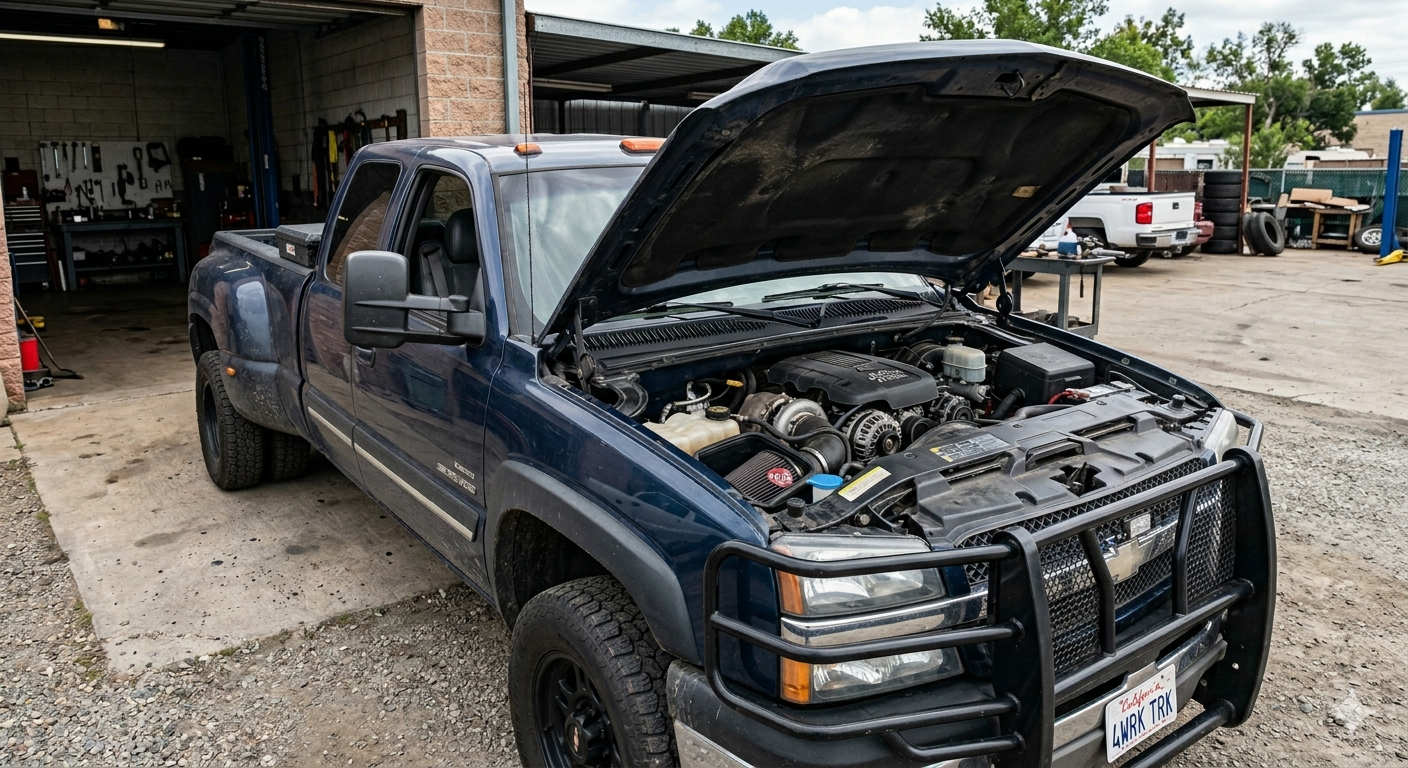
Diesel combustion produces soot as a natural byproduct of compression ignition, and this particulate matter combines with exhaust gases recirculated through the intake system to meet emissions standards, creating dense carbon deposits in turbocharger housings, intake manifolds, and diesel particulate filters. Strong Arm Carbon Cleaning removes these deposits that restrict boost pressure and airflow in pickup trucks, commercial vehicles, and diesel-powered equipment operating throughout Deerfield Beach. You notice buildup through loss of pulling power when towing, clouds of black smoke during acceleration that attract attention and indicate incomplete fuel combustion, or fuel economy that drops by three or more miles per gallon compared to baseline performance when the vehicle was newer.
The cleaning process focuses on exhaust gas recirculation coolers where soot accumulates and blocks passages, variable geometry turbocharger vanes that stick when coated with carbon, and diesel particulate filters that clog prematurely when excessive soot production overwhelms regeneration cycles. Hydrogen treatment raises exhaust temperatures enough to oxidize soot deposits without requiring filter removal or turbocharger disassembly, converting solid carbon into gaseous compounds that exit through the tailpipe during the service cycle.
Schedule a diesel performance assessment to measure boost pressure, exhaust backpressure, and particulate filter restriction levels in Deerfield Beach, West Palm Beach, Fort Lauderdale, and surrounding areas.
How Diesel Carbon Removal Works Differently
Diesel carbon cleaning introduces the hydrogen-oxygen mixture through both the intake and exhaust sides of the engine because soot accumulates in post-combustion emission control components as well as pre-combustion intake passages. The process targets diesel particulate filters where trapped soot creates backpressure that reduces power output and forces more frequent regeneration cycles, exhaust gas recirculation valves where carbon buildup prevents proper sealing and allows unmetered air into combustion, and turbocharger bearings where oil residue mixed with soot forms abrasive deposits. Treatment duration extends longer for diesel engines than gasoline applications because soot density requires sustained heat exposure to fully oxidize compacted layers.
Once cleaning concludes, turbo boost builds faster and reaches higher peak pressure because compressor and turbine wheels spin freely without carbon-induced drag, and exhaust gas temperatures drop because backpressure no longer forces the engine to work harder moving spent gases out of cylinders. Black smoke disappears during hard acceleration as injectors deliver fuel into combustion chambers receiving full airflow, and fuel economy recovers because the engine no longer compensates for restricted breathing with extended injection duration. Emissions system performance warnings often clear as sensors detect normal flow rates and temperatures through cleaned components.
The service supports emissions system longevity by reducing soot load on particulate filters and preventing oil contamination from excessive blowby caused by carbon-clogged piston rings. Diesel engines operating in Deerfield Beach's stop-and-go traffic accumulate soot faster than highway-driven trucks because low exhaust temperatures during city driving prevent passive regeneration cycles that would otherwise burn off particulate matter naturally. Commercial vehicles and trucks used for towing benefit from cleaning every 20,000 to 30,000 miles, while lighter-duty diesels may extend to 40,000-mile intervals depending on load factors and driving patterns.
Questions Diesel Owners Ask Before Service
These concerns come up when diesel vehicle owners investigate carbon cleaning to address performance decline or emissions issues.
Why do diesel engines produce more carbon than gasoline engines?
Diesel combustion always generates soot because compression ignition occurs before fuel and air fully mix, creating fuel-rich zones that burn incompletely and produce particulate matter, and modern emissions regulations force this soot back through the intake via exhaust gas recirculation, compounding deposit formation in areas gasoline engines keep clean.
How does carbon affect turbocharger performance specifically?
Carbon deposits on variable geometry turbo vanes prevent them from adjusting position based on engine load, locking the turbo in partially closed positions that reduce boost pressure and slow throttle response, while soot accumulation on compressor wheels reduces aerodynamic efficiency and causes the turbocharger to work harder generating less pressure in Deerfield Beach's humid air where moisture compounds deposit adhesion.
Will cleaning help if my diesel particulate filter is already showing restriction warnings?
Carbon cleaning often restores particulate filter flow by oxidizing trapped soot at controlled temperatures lower than forced regeneration cycles, clearing restrictions without the thermal stress that repeated high-temperature regenerations place on filter substrates and extending filter life before replacement becomes necessary.
What indicates my diesel needs cleaning beyond just reduced power?
Excessive exhaust smoke visible in your mirrors during acceleration, fuel economy decline of 15 percent or more from your typical average, turbo lag where boost builds slowly after you press the accelerator, or frequent particulate filter regeneration cycles occurring every 200 miles instead of every 400 to 500 miles all indicate carbon accumulation severe enough to affect operation.
Does carbon cleaning work on older mechanical diesel engines without modern emissions equipment?
Mechanical diesels benefit from intake and combustion chamber cleaning that removes soot from injector tips and piston crowns, improving fuel atomization and compression efficiency, though they lack the particulate filters and exhaust gas recirculation systems where most modern diesel carbon problems concentrate.
Strong Arm Carbon Cleaning evaluates turbocharger function, exhaust backpressure, and emissions system status before service to confirm carbon deposits cause your diesel's performance issues rather than mechanical failure requiring repair. Request a comprehensive diesel evaluation to determine the extent of buildup affecting your truck or commercial vehicle.