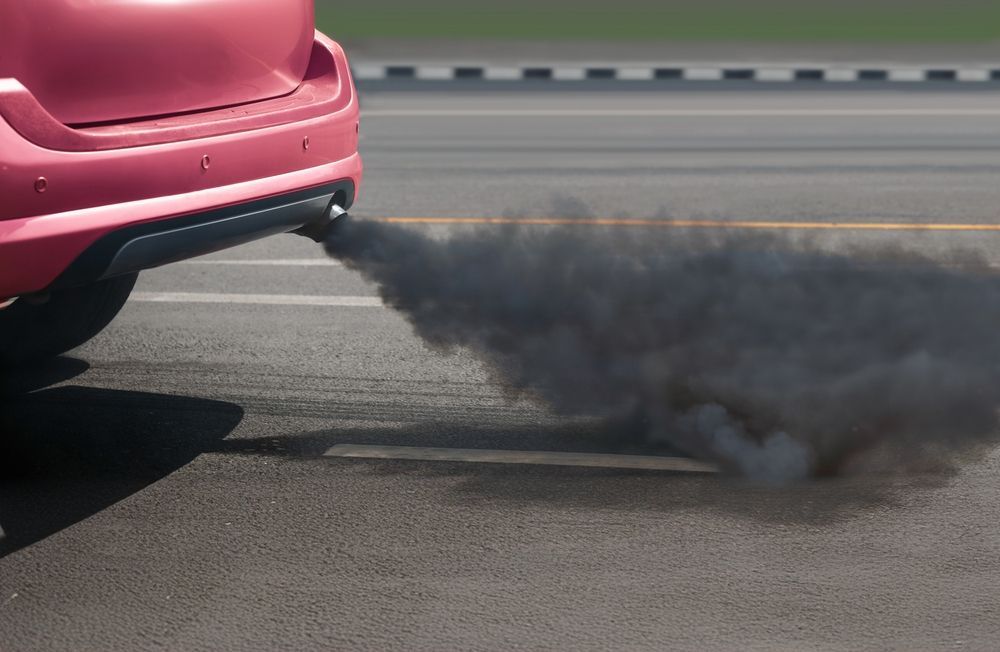
If your car looks like this, its time for a carbon cleaning!
Engines That Run Like They Should
Carbon Cleaning in Deerfield Beach for engines showing reduced power, rough idling, or poor fuel economy
Strong Arm Carbon Cleaning removes carbon deposits that accumulate inside engines during normal combustion, affecting how fuel burns and how components move. Over months and years of operation, partially burned fuel leaves residue on intake valves, pistons, and combustion chambers, creating layers that disrupt airflow and ignition timing. You'll notice this buildup through hesitation during acceleration, vibration at idle, or a drop in miles per gallon that doesn't match your driving habits.
Carbon deposits develop because combustion never reaches complete efficiency—trace amounts of fuel remain unburned with each cycle, condensing on metal surfaces that reach thousands of degrees during operation but cool between trips. In Deerfield Beach's humid climate, short trips and stop-and-go traffic prevent engines from reaching temperatures high enough to burn off these deposits naturally, accelerating buildup. The process targets intake valves where deposits restrict airflow, piston crowns where carbon creates hot spots that trigger pre-ignition, and throttle bodies where residue affects sensor readings that control fuel delivery.
Schedule a carbon cleaning assessment to measure current deposit levels and evaluate engine response characteristics.
What Proper Carbon Removal Requires
The cleaning process introduces a hydrogen-oxygen mixture through the intake system while the engine runs, raising combustion temperatures high enough to oxidize carbon deposits without damaging metal components or gaskets. This method reaches areas mechanical brushes and chemical sprays cannot access, including the backside of intake valves on direct-injection engines where fuel no longer washes over surfaces. The hydrogen mixture combusts alongside existing fuel, creating a sustained high-temperature environment that converts solid carbon into gaseous exhaust without requiring disassembly.
After cleaning, throttle response sharpens because airflow is no longer restricted by buildup on valve edges, and fuel economy improves as injectors deliver precise amounts into combustion chambers that now maintain proper compression. Rough idling smooths out once deposits no longer create uneven compression across cylinders, and the check engine light for emissions-related codes often clears as oxygen sensors receive accurate readings from cleaner exhaust streams. Both gasoline and diesel engines respond to this process, though diesel applications focus more heavily on removing soot from exhaust gas recirculation systems and diesel particulate filters.
The service works as preventative maintenance when performed every 30,000 to 50,000 miles, depending on driving patterns—vehicles used primarily for short trips below ten miles accumulate carbon faster than highway-driven cars that reach full operating temperature regularly. Direct-injection engines benefit most because fuel injection occurs directly into the cylinder rather than onto intake valves, eliminating the natural cleaning effect older port-injection systems provided. Carbon cleaning doesn't replace oil changes or filter maintenance but addresses a buildup pattern those services don't affect.
What Drivers Usually Ask Before Service
These questions come up when vehicle owners evaluate carbon cleaning for the first time or notice performance changes that suggest buildup.
How does carbon buildup affect diesel engines differently than gasoline engines?
Diesel engines produce soot as a normal byproduct of compression ignition, and this soot combines with exhaust gases recirculated for emissions control, creating dense deposits in intake manifolds and turbocharger components that restrict airflow and boost pressure more aggressively than gasoline carbon accumulation.
What symptoms indicate my engine needs carbon cleaning now rather than later?
You'll notice delayed throttle response when merging or passing, a rough shake at stoplights that wasn't present six months ago, fuel economy that's dropped by two or more miles per gallon without explanation, or visible smoke during cold starts that clears after the engine warms.
How long does the cleaning process take from start to finish?
Most carbon cleaning sessions run between 45 and 90 minutes depending on engine size and deposit severity, with the vehicle idling throughout while the hydrogen mixture cycles through the intake system and exhaust components expel loosened carbon.
Does carbon cleaning work on high-mileage vehicles with over 100,000 miles?
High-mileage engines often show the most noticeable improvement because deposits have accumulated over years, but the process works safely regardless of odometer reading as long as engine compression and valve seals remain intact.
Why do vehicles in Deerfield Beach accumulate carbon faster than other regions?
Short trips in humid coastal air mean engines spend more time in cold-start enrichment mode where fuel ratios run richer, and frequent stop-and-go driving prevents sustained high temperatures that naturally burn off deposits, causing buildup to occur within 20,000 to 30,000 miles instead of 50,000 on highway-driven vehicles.
Strong Arm Carbon Cleaning evaluates deposit levels and engine performance characteristics before starting work, ensuring the service addresses your specific symptoms. Request an evaluation to determine whether carbon buildup is affecting your vehicle's current performance.