Throttle Response That Feels Immediate Again
Automotive Engine Carbon Cleaning in Deerfield Beach for delayed acceleration, rough operation, and declining fuel efficiency
When carbon deposits coat intake valves and combustion chamber surfaces, airflow restriction creates a measurable gap between pressing the accelerator and feeling the vehicle respond. Strong Arm Carbon Cleaning addresses gasoline engine carbon buildup that develops as unburned hydrocarbons solidify on components exposed to repeated heat cycles, particularly affecting direct-injection engines where fuel spray no longer washes intake valves during operation. You experience this as sluggish merging, hesitation during passing maneuvers, or a noticeable delay between throttle input and engine power delivery that worsens gradually over thousands of miles.
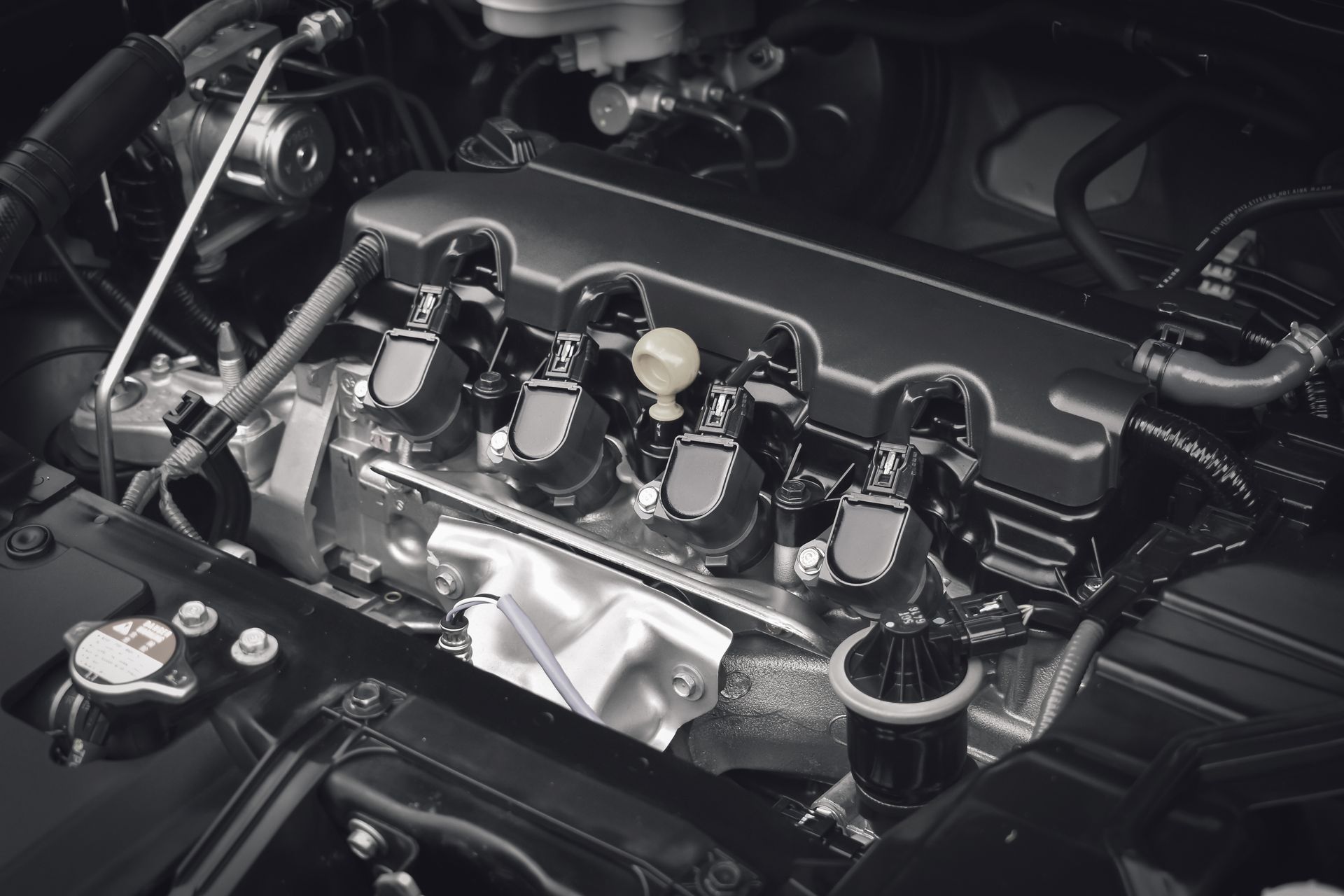
The cleaning process targets throttle bodies where residue affects airflow sensor accuracy, intake runners where deposits narrow passages and reduce volumetric efficiency, and piston crowns where carbon creates compression inconsistencies across cylinders. Daily drivers accumulate buildup through normal commuting, high-mileage vehicles show performance degradation as deposits layer over years, and performance vehicles lose power as restricted airflow limits peak RPM output. The hydrogen-based cleaning method reaches valve backsides and combustion chamber crevices that chemical intake sprays cannot penetrate, oxidizing carbon at temperatures that leave metal surfaces and gaskets undamaged.
Arrange an engine performance evaluation to measure current throttle response times and identify deposit-related restrictions in Deerfield Beach, Miami, Boca Raton, and surrounding areas.
What You Notice Once Cleaning Is Finished
During service, the engine idles while a controlled hydrogen-oxygen mixture flows through intake passages, raising combustion temperatures enough to break down carbon molecules into gaseous compounds that exit through the exhaust system. This process removes buildup from intake valve edges where deposits create physical barriers to airflow, from spark plug electrodes where carbon causes misfires, and from oxygen sensor tips where residue generates false readings that trigger rich fuel compensation. The treatment runs until expelled exhaust transitions from thick and visible to clear, indicating removal of accumulated deposits.
Acceleration becomes immediate rather than progressive as unobstructed airflow allows cylinders to fill completely during intake strokes, and fuel economy climbs back toward manufacturer specifications once injectors deliver precise fuel quantities into combustion chambers with restored compression ratios. The engine idles smoothly without the irregular vibration caused by cylinders firing unevenly, and fuel trim values recorded by the engine computer return to normal ranges as oxygen sensors measure actual air-fuel ratios instead of readings skewed by carbon interference. These changes appear within the first ten miles of driving after service completion.
The service addresses carbon accumulation specifically and does not replace spark plugs, air filters, or fuel injectors that may also affect performance if those components have reached their service life. Vehicles driven primarily in city traffic or used for trips under ten miles benefit from cleaning every 25,000 to 35,000 miles, while highway-driven cars may extend intervals to 50,000 miles. The process complements rather than substitutes for scheduled maintenance, targeting a buildup pattern that oil changes and filter replacements do not affect.
Common Questions About Gasoline Engine Cleaning
Vehicle owners typically ask these questions when evaluating whether carbon cleaning addresses their specific performance concerns.
What causes carbon to build up faster on some engines than others?
Direct-injection engines accumulate intake valve carbon more rapidly because fuel injects directly into cylinders rather than spraying onto valve surfaces, eliminating the washing effect that cleaned valves in older port-injection designs, and turbocharged engines see accelerated buildup because oil vapor from crankcase ventilation bakes onto hot intake components under boost pressure.
How does carbon cleaning differ from using fuel additives or intake sprays?
Hydrogen cleaning oxidizes deposits at sustained high temperatures throughout the entire intake tract and combustion chambers while the engine runs, reaching valve backsides and piston ring lands that topical sprays cannot access and providing heat penetration that pour-in fuel additives lack the temperature or contact time to achieve.
Will I notice the difference immediately after service?
Throttle response sharpens within the first few acceleration cycles as unrestricted air reaches cylinders, fuel economy improvement shows after one tank of driving as the engine computer adjusts fuel delivery based on corrected oxygen sensor data, and idle smoothness becomes apparent immediately as compression equalizes across all cylinders.
Does carbon cleaning help engines that already have over 150,000 miles?
High-mileage engines often show dramatic improvement because years of deposit accumulation have reduced performance significantly, but the process remains safe for worn engines as long as compression tests and leak-down results confirm valves and piston rings still seal properly before cleaning begins.
Why do performance vehicles need carbon cleaning if they're driven hard regularly?
High-RPM operation and full-throttle acceleration actually increase carbon formation because fuel enrichment at wide-open throttle runs richer air-fuel ratios that leave more unburned hydrocarbons, and performance engines with tighter tolerances experience greater power loss from deposits that reduce effective compression and airflow in Deerfield Beach's humid conditions where incomplete combustion occurs more frequently during warm-up cycles.
Strong Arm Carbon Cleaning measures baseline throttle response and reviews engine data before starting the process, confirming that carbon deposits rather than mechanical wear cause your performance issues. Book a diagnostic session to evaluate whether cleaning will restore your engine's original characteristics.